Embark on a journey through the world of clinical trials, where medical breakthroughs and enhanced patient care are the focal points. Dive into the significance of these trials with a blend of informative insights and captivating narratives.
Explore the different phases, participation benefits, and future innovations that shape the landscape of clinical research.
Benefits of Clinical Trials
Clinical trials play a crucial role in advancing medical treatments and improving patient care. Through rigorous testing and evaluation, these trials contribute to shaping healthcare policies and practices.
Breakthroughs from Clinical Trials
- Development of new cancer treatments such as immunotherapy, targeted therapies, and personalized medicine.
- Discovery of effective vaccines for diseases like HPV, hepatitis, and influenza.
- Advancements in managing chronic conditions like diabetes, heart disease, and Alzheimer’s.
Improving Patient Care
- Clinical trials provide access to cutting-edge treatments and therapies that may not be available otherwise.
- Patient participation in trials can lead to better understanding of diseases and personalized treatment approaches.
- Conducting trials in diverse populations helps ensure treatments are effective for all patients.
Shaping Healthcare Policies and Practices
- Evidence from clinical trials informs regulatory decisions by health authorities.
- Results of trials influence guidelines for medical professionals in diagnosing and treating various conditions.
- Data from trials are used to evaluate the cost-effectiveness of treatments and interventions.
Types of Clinical Trials
Clinical trials are essential in the development of new treatments and interventions. There are different types of clinical trials, each serving a specific purpose in advancing medical research.
Phases of Clinical Trials
Clinical trials are typically divided into four phases, each with distinct objectives:
- Phase 1: These trials focus on assessing the safety and dosage of a new treatment in a small group of participants.
- Phase 2: In this phase, the effectiveness of the treatment is evaluated in a larger group to determine optimal dosing.
- Phase 3: These trials involve a larger population to confirm effectiveness, monitor side effects, and compare the treatment to existing options.
- Phase 4: Post-market studies conducted after the treatment is approved to gather additional information on risks and benefits.
Observational Studies vs. Interventional Clinical Trials
Observational studies involve observing participants in their natural environment without any intervention, while interventional clinical trials involve actively testing a new treatment or intervention.
Significance of Randomized Controlled Trials
Randomized controlled trials are considered the gold standard in clinical research as they help eliminate bias and establish causal relationships between treatments and outcomes. Participants are randomly assigned to different groups to receive the treatment or placebo, allowing for reliable results.
Purpose of Pilot Studies
Pilot studies are small-scale trials conducted before larger clinical trials to assess feasibility, test procedures, and gather preliminary data. They help researchers refine their protocols and ensure the success of larger studies.
Participation in Clinical Trials

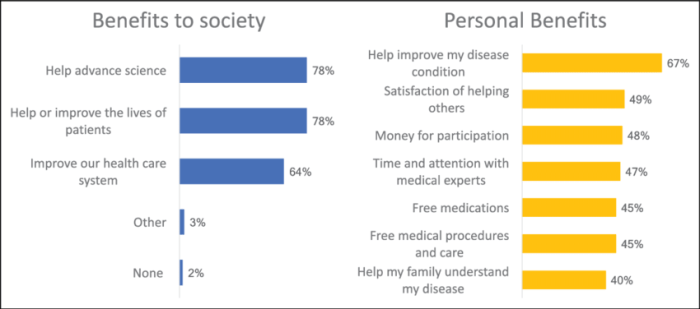
Participating in clinical trials can offer several benefits for patients, including access to cutting-edge treatments, expert medical care, and the opportunity to contribute to scientific advancements in healthcare. While there may be misconceptions and concerns surrounding clinical trials, it is essential to understand the ethical considerations involved in recruiting participants and the importance of diverse representation in these trials.
Benefits for Patients Who Participate in Clinical Trials
- Access to innovative treatments that may not be available otherwise.
- Close monitoring and care from experienced medical professionals.
- Potential for improved health outcomes and quality of life.
- Opportunity to contribute to medical research and help future patients.
Common Misconceptions or Concerns About Participating in Clinical Trials
- Fear of receiving a placebo instead of active treatment (many trials offer standard care or active treatment).
- Concerns about safety and potential side effects of the experimental treatment (trials are closely monitored for safety).
- Misconceptions about being treated as a “guinea pig” (participants are fully informed and have rights protected by ethical guidelines).
Ethical Considerations in Recruiting Participants for Clinical Trials
- Ensuring informed consent is obtained from participants, clearly explaining risks, benefits, and rights.
- Protecting participant confidentiality and privacy throughout the trial.
- Adhering to guidelines and regulations to minimize risks and ensure participant safety.
Importance of Diverse Representation in Clinical Trial Participants
- Ensuring that treatments are effective across different populations and demographics.
- Addressing health disparities and ensuring equitable access to healthcare advancements.
- Improving the generalizability of trial results and advancing personalized medicine.
Future of Clinical Trials
The future of clinical trials is rapidly evolving with advancements in technology and innovative approaches to patient-centered trial design. Emerging trends are reshaping the landscape of clinical research, offering new opportunities to optimize trial processes and outcomes. Let’s explore some key aspects shaping the future of clinical trials:
Technology in Clinical Trials
Technology is revolutionizing clinical trials by streamlining processes, enhancing data collection, and improving patient engagement. Mobile health apps, wearables, and telemedicine are being used to monitor patients remotely, increasing accessibility and convenience. Virtual trials and digital platforms are also becoming more prevalent, enabling researchers to reach a larger and more diverse participant pool.
Patient-Centered Trial Design
The shift towards patient-centered trial design emphasizes the importance of incorporating patient preferences and feedback throughout the trial process. This approach aims to improve participant retention, adherence, and overall satisfaction with the trial experience. By involving patients in the design phase, researchers can create more relevant and impactful studies that address real-world needs and challenges.
Artificial Intelligence and Big Data
Artificial intelligence (AI) and big data analytics hold significant potential in optimizing clinical trials. These technologies can analyze vast amounts of data to identify patterns, predict outcomes, and personalize treatment approaches. AI algorithms can help streamline trial recruitment, identify suitable participants, and optimize trial protocols. Big data analytics can uncover valuable insights from diverse datasets, leading to more efficient and effective trial processes.
Global Clinical Trials
Conducting global clinical trials presents both challenges and opportunities for researchers. Collaborating across borders allows access to diverse patient populations, leading to more robust and generalizable results. However, navigating regulatory differences, cultural nuances, and logistical complexities can pose significant challenges. Establishing strong partnerships, leveraging technology for remote monitoring, and ensuring ethical considerations are key to successful global trial conduct.
In conclusion, the realm of clinical trials stands as a beacon of hope for advancing healthcare. With technology paving the way for revolutionary changes, the future holds immense promise for improving treatments and patient outcomes.
FAQ Insights
What are the benefits of participating in clinical trials?
Participating in clinical trials can provide access to cutting-edge treatments and contribute to the development of better medical solutions.
Are there risks involved in clinical trial participation?
While there are potential risks, strict regulations are in place to ensure participant safety throughout the trial process.
How do clinical trials impact healthcare policies?
Clinical trials play a crucial role in shaping healthcare policies by influencing treatment guidelines and best practices based on research outcomes.