Embark on the journey of discovering How to Find Clinical Trials Online, delving into the world of medical research and advancements.
Uncover the steps, tips, and resources that pave the way for individuals seeking to participate in clinical trials online.
Understanding Clinical Trials
Clinical trials are research studies that investigate new treatments, medications, or medical procedures to determine their effectiveness and safety in humans. These trials play a crucial role in advancing medical knowledge and improving patient care by testing the efficacy of potential treatments before they are widely available in the market.
Phases of Clinical Trials
Clinical trials are typically conducted in four different phases:
- Phase 1: These trials involve a small group of healthy volunteers to determine the safety of a new treatment and the appropriate dosage.
- Phase 2: These trials expand to a larger group of patients with the condition being treated to evaluate the treatment’s effectiveness and further assess its safety.
- Phase 3: In this phase, the treatment is tested on an even larger group of patients to confirm its effectiveness, monitor side effects, and compare it to existing treatments.
- Phase 4: After a treatment is approved and on the market, phase 4 trials continue to monitor its long-term safety and effectiveness in real-world settings.
Participating in clinical trials is essential for advancing medical treatments and improving patient outcomes.
Importance of Participating in Clinical Trials
- Contribute to Medical Advancements: By participating in clinical trials, individuals help researchers develop new treatments and improve existing ones.
- Access to Cutting-Edge Treatments: Participants may have early access to innovative therapies that are not yet available to the general public.
- Receive Expert Medical Care: Clinical trial participants receive close monitoring and care from medical professionals throughout the study.
- Potential Personal Benefit: In some cases, participants may experience improved health outcomes as a result of the treatment being tested.
Finding Clinical Trials Online
Finding clinical trials online can be a crucial step for individuals looking to participate in research studies. Here, we will provide a step-by-step guide on how to search for clinical trials online effectively.
Role of Government Websites in Listing Clinical Trials
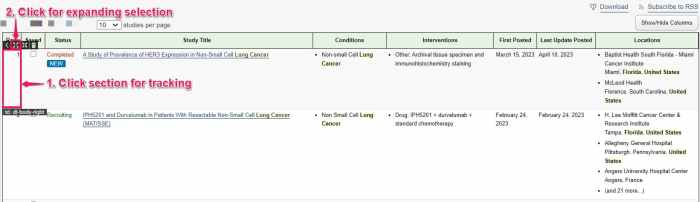
Government websites play a vital role in listing clinical trials, providing a centralized platform for individuals to access information on ongoing studies. Here are some key steps on how to navigate government websites to find relevant clinical trials:
- Visit reputable government websites such as ClinicalTrials.gov, which is maintained by the National Institutes of Health (NIH).
- Use the search function on the website to input relevant s related to your medical condition or the type of clinical trial you are interested in.
- Filter the search results based on criteria such as location, phase of the trial, and eligibility requirements to narrow down your options.
- Review the detailed information provided for each clinical trial, including the purpose of the study, inclusion/exclusion criteria, and contact information for the research team.
- Consult with your healthcare provider to discuss the potential benefits and risks of participating in a specific clinical trial found on a government website.
Tips for Using Search Engines to Find Relevant Clinical Trials
When using search engines to find clinical trials online, it’s essential to use specific search terms and filters to refine your results. Here are some tips for effectively using search engines to find relevant clinical trials:
- Include s such as “clinical trials,” “research studies,” and your medical condition or the intervention being studied in your search query.
- Utilize search engine filters to narrow down results by date, location, and study phase to find trials that align with your preferences.
- Explore different search engines and clinical trial databases to ensure comprehensive coverage of available studies.
- Bookmark reliable websites that regularly update their database of clinical trials to stay informed about new research opportunities.
- Stay vigilant for red flags such as requests for payment or guarantees of a cure when exploring clinical trial listings online.
Evaluating Clinical Trials
When considering participating in a clinical trial, it is crucial to evaluate the credibility of the sources providing information about these trials. This helps ensure that you are making an informed decision based on accurate and reliable data.
Assessing Website Credibility
- Check for the source of the information: Look for websites run by reputable organizations such as government agencies, research institutions, or healthcare facilities.
- Verify the information: Cross-reference details provided on the website with official clinical trial registries or databases to confirm the accuracy of the data.
- Review the website design: A professional and well-organized website is more likely to be trustworthy compared to sites with poor design or numerous pop-up ads.
- Check for contact information: Legitimate websites should provide contact details for further inquiries or concerns.
Comparing Online Platforms
- ClinicalTrials.gov: The largest clinical trial database, maintained by the U.S. National Library of Medicine, offers comprehensive search options and detailed trial information.
- CenterWatch: Provides a user-friendly interface with a wide range of clinical trial listings and resources for participants.
- ResearchMatch: Connects volunteers with clinical studies based on their profiles and preferences, ensuring a personalized matching process.
Importance of Reviewing Eligibility Criteria
It is essential to carefully review the eligibility criteria of a clinical trial before participating to ensure that you meet the requirements and understand the potential risks and benefits involved. Failure to meet the criteria can result in exclusion from the trial or jeopardize your safety during the study.
Resources for Patients
Patients interested in participating in clinical trials can find valuable information and support from reputable websites dedicated to listing ongoing trials and providing resources. These platforms offer a wealth of knowledge to help individuals navigate the process of finding and evaluating clinical trials.
Reputable Websites for Finding Clinical Trials
- ClinicalTrials.gov: A comprehensive database maintained by the National Institutes of Health (NIH) that lists both federally and privately funded clinical trials across the globe.
- CenterWatch: An online resource that provides information on clinical trials, including listings of trials by medical condition, location, and phase.
- ResearchMatch: A secure platform that connects individuals interested in research participation with researchers conducting clinical trials.
Types of Support for Patients Interested in Clinical Trials
- Patient Navigators: Trained professionals who assist patients in understanding the clinical trial process, navigating paperwork, and addressing any concerns or questions.
- Counseling Services: Emotional support and guidance for individuals considering participation in clinical trials, helping them cope with any anxiety or uncertainty.
- Financial Assistance Programs: Some organizations offer financial aid to cover travel expenses, medical costs, or other related expenses for participants in clinical trials.
Patient Advocacy Groups and Their Role
- Patient advocacy groups play a crucial role in helping individuals navigate the complexities of clinical trials by providing valuable information, resources, and support.
- These groups advocate for patient rights, ensure informed consent, and promote transparency in the clinical trial process.
- They also offer emotional support, connect patients with relevant resources, and empower individuals to make informed decisions about their healthcare options.
In conclusion, navigating the realm of clinical trials online opens doors to groundbreaking treatments and possibilities, empowering individuals to contribute to medical progress.
Common Queries
How can I determine if a clinical trial website is credible?
Look for clear information on the trial sponsor, study objectives, and ethical approval to gauge credibility.
What are some common eligibility criteria for clinical trials?
Eligibility criteria may include age, gender, medical history, and specific health conditions relevant to the study.
Are there support services available for individuals interested in clinical trials?
Yes, many clinical trial websites offer support services like matching patients with trials and providing information on the process.